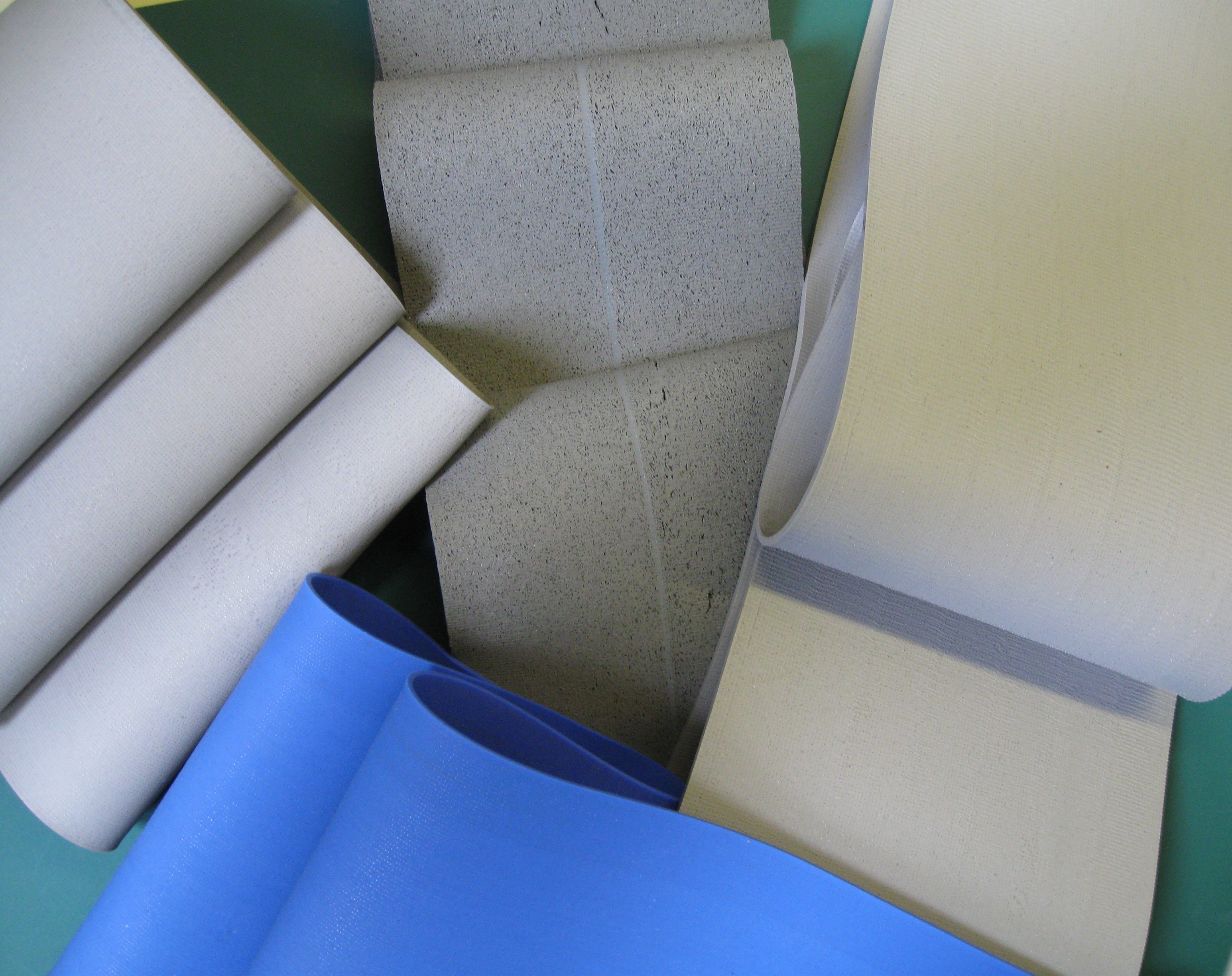
Zemrex® embedded and oriented wire materials combine conductive wire
constructions with silicone, fluorosilicone or other elastomer systems to
provide reliable EMI/RFI shielding in thin gaskets and environmentally
sealed enclosure joints.
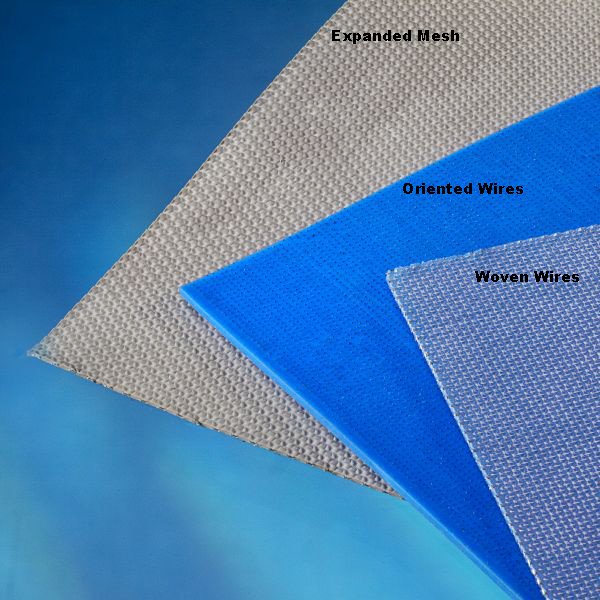
The range includes perpendicular oriented-wire materials, woven-wire and
expanded-mesh constructions, and legacy Zemrex® WS, WSF, WW and WWF
product families.
What Are Embedded & Oriented Wire Shielding Materials?
Wire-in-elastomer shielding materials use conductive wires, woven mesh or
expanded metal embedded within an elastomer body. When the gasket is
compressed between conductive mating surfaces, the metal construction helps
maintain the electrical shielding path while the surrounding elastomer can
provide mechanical resilience and environmental sealing.
Different constructions solve different problems. Perpendicular oriented
wires are particularly useful where a conductive environmental seal is
required, while woven-wire or expanded-mesh constructions are well suited
to thin gaskets and connector interfaces.
Wavetame supports both current application-led requirements and legacy
Zemrex® / Warth International references including WS, WSF, WW and WWF.
Environmental ShieldingConductive wire combined with resilient elastomer sealing.
Thin Gasket OptionsEmbedded woven-wire and mesh constructions for 0.5–2.5 mm gaskets.
Custom to DrawingSheet and cut gasket formats for customer-specific interfaces.
Typical reasons to consider wire-in-elastomer
EMI/RFI shielding with environmental sealing.
Thin connector or flange gaskets.
Alternative galvanic pairing to particle-filled elastomers.
Large picture-frame gaskets requiring joined construction.
Applications needing Monel or aluminium oriented wire.
Construction Types
Oriented Wire, Woven Wire & Expanded Mesh
The conductive element can be arranged in several different ways. The
construction affects gasket thickness, compression behaviour, environmental
sealing and the type of interface for which the material is best suited.
Zemrex® WS / WSF
Perpendicular Oriented Wire
Monel or aluminium wires are oriented through the thickness of the
elastomer so compression brings the conductive wires into contact
with both mating surfaces.
Current Wavetame oriented-wire materials are available in silicone
or fluorosilicone and are particularly useful where environmental
sealing is important.
Embedded Wire / Mesh
Woven Wire or Expanded Mesh
Conductive woven wire or expanded mesh is embedded within silicone,
fluorosilicone or neoprene to produce thin shielding gaskets with an
elastomeric sealing body.
These constructions are particularly suited to connector gaskets and
other applications requiring finished gasket thicknesses in the
0.5–2.5 mm range.
Legacy Zemrex® WW / WWF
Woven Aluminium Wire Mesh
Historic Zemrex® WW and WWF references describe woven aluminium wire
mesh impregnated with silicone or fluorosilicone.
Existing drawings or purchasing records using these codes can be
reviewed against current Wavetame constructions and application
requirements.
Zemrex® WS / WSF
Perpendicular Oriented Wire in Silicone or Fluorosilicone
In an oriented-wire gasket, individual conductive wires run through the
elastomer thickness. Compression creates many direct conductive paths
between the mating enclosure surfaces while the elastomer provides the
surrounding environmental seal.
Wavetame uses Monel or aluminium wire embedded in silicone or fluorosilicone.
The current material is manufactured in blocks and sliced into sheet,
allowing thicknesses from approximately 0.8 mm to 5.0 mm.
Wire OptionsMonel or aluminium oriented wire depending on the application and material pairing.
Elastomer OptionsSilicone or fluorosilicone for shielding combined with environmental sealing.
Thickness RangeCurrent Wavetame oriented-wire sheet is available from approximately 0.8 mm to 5.0 mm.
Environmental SealingSuitable for conductive environmental seals up to IP65 or better where flange design supports it.
Embedded Wire / Mesh
Thin Shielding Gaskets for Connector & Flange Interfaces
Woven-wire and expanded-mesh constructions embedded in elastomer are
particularly useful where the gasket must remain relatively thin while
providing both an electrical shielding path and a sealing body.
Wavetame identifies these materials as especially suitable for MIL-DTL-38999
type connector gaskets and other components in the approximately 0.5–2.5 mm
thickness range.
Neoprene in appropriate embedded-wire constructions.
Custom-cut gasket geometry to suit the interface.
Selection Guide
Which Wire-in-Elastomer Construction Should I Consider?
Construction
Typical strengths
Typical thickness / format
Key points to review
Perpendicular oriented wire
Conductive environmental seal with direct wire paths through the
gasket thickness.
Approx. 0.8–5.0 mm sheet and cut gaskets.
Wire material, elastomer, flange pressure, environmental
requirement and galvanic pairing.
Embedded woven wire
Thin shielding gasket with elastomer support and useful connector
applications.
Commonly suited to approx. 0.5–2.5 mm finished gaskets.
Mesh construction, elastomer, connector geometry, compression and
sealing duty.
Embedded expanded mesh
Alternative thin conductive reinforcement within an elastomer
body.
Thin sheet / cut gasket applications.
Mesh metal, elastomer choice, flange condition and application
specification.
Legacy WW / WWF woven aluminium mesh
Established Warth / Zemrex® woven aluminium wire construction.
Historic silicone or fluorosilicone impregnated material.
Original code, current material availability and customer approval
where replacement construction differs.
Large frame? The joint matters.
Sheet dimensions may limit a one-piece gasket.
Large gaskets can be manufactured as picture-frame constructions.
Joined areas must remain flat and consistent.
The join must remain part of the electrical shielding path.
Compression should remain uniform across the complete frame.
Large Gasket Manufacture
Picture-Framed Gaskets Beyond the Available Sheet Size
Oriented-wire material is produced as blocks and sliced into sheet, so very
large gasket frames may exceed the available one-piece sheet dimensions.
Wavetame can manufacture larger gaskets using a picture-frame construction
and a vulcanising process designed to create flat, even joints. This allows
the gasket geometry to extend beyond the practical size of a single sheet.
Application Selection
Wire Material, Elastomer & Flange Design Must Work Together
The correct construction depends on more than shielding performance.
Environmental sealing, galvanic compatibility, compression and enclosure
geometry all influence the finished joint.
01 / Wire
Select the Conductive Metal
Monel, aluminium and other mesh constructions should be reviewed against
the mating enclosure material and expected corrosion environment.
02 / Elastomer
Match the Sealing Environment
Silicone, fluorosilicone or neoprene may be appropriate depending on the
construction and environmental exposure.
03 / Joint
Control the Flange & Compression
Uniform conductive contact and environmental sealing depend on gasket
compression, flange stiffness and suitable fastening.
Galvanic Compatibility
Why Offer Both Monel & Aluminium Wire?
The conductive wire becomes part of the electrical interface with the
enclosure, so the metal should be considered alongside the mating alloy,
surface finish and expected moisture exposure.
A wire material with excellent shielding properties is not automatically
the best galvanic match for every enclosure. Aluminium wire may be attractive
in some aluminium enclosure applications, while other constructions may be
preferable under different electrical, mechanical or environmental
requirements.
Older Warth International drawings and purchasing records may use the
historic Zemrex® family codes below.
WS / WSF
Historic Zemrex® oriented-wire families: oriented wires in
fluorosilicone, solid silicone or silicone sponge, supplied as strips,
sheets and cut gaskets, with or without pressure-sensitive adhesive.
WW / WWF
Historic Zemrex® woven aluminium wire mesh impregnated with silicone
or fluorosilicone.
If your drawing contains one of these codes — or a Warth part number with no
obvious modern equivalent — send it to Wavetame exactly as shown. We can review
the historic reference against current materials and manufacturing options.
Send Us the Drawing, Legacy Reference or Application Details
Tell us the enclosure material, gasket thickness, environmental sealing
requirement and shielding specification where known. Wavetame can help identify
a suitable oriented-wire or embedded-wire construction and manufacturing route.