Engineering Knowledge Base

EMI/RFI Shielding & Thermal Management Technical Resources

Practical engineering guides to help with shielding-gasket selection, galvanic compatibility, thermal-interface materials and the design decisions that sit behind reliable electronic components.

These resources draw on Wavetame's experience of specialist materials, custom component manufacture, legacy Zemrex® and Kool-Pads® products, and application-led technical support.

Written for engineers, buyers and designers working with real component requirements.
Shielding • Thermal • Materials • Design
Conductive elastomer EMI shielding components used in engineering applications
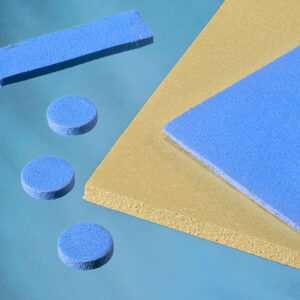
Thermal gap filler interface materials used in electronic assemblies
Practical Technical Guidance

Start with the Engineering Question

Material selection is rarely just a catalogue exercise. Shielding and thermal interfaces interact with enclosure design, compression, mating metals, electrical isolation, surface condition and manufacturing tolerances. Our guides are organised around those decisions.

Application First Start with what the component must do in the assembly, not simply a material name.
Material Behaviour Understand electrical, thermal, mechanical and environmental properties together.
Manufacturing Reality Consider thickness, geometry, compression, tolerances, tooling and practical conversion.
Legacy Knowledge Connect current engineering requirements with established Zemrex®, Kool-Pads® and Warth references.
Featured Engineering Guides

Technical Resources

Detailed, application-led guidance covering the questions we most often encounter when reviewing shielding and thermal-management requirements.

EMI / RFI Shielding Guide

How to Choose an EMI/RFI Shielding Gasket

The right gasket depends on shielding performance, sealing duty, compression, joint geometry, mating metals and the operating environment.

Compare conductive elastomers, oriented and embedded wire, knitted mesh, conductive fabrics and related technologies, and understand when each is most useful.

Read the Shielding Gasket Guide
EMI / EMC Design Guide

Understanding Galvanic Compatibility in EMI Shielding

Conductive gasket materials should be selected with the mating enclosure metals and environmental exposure in mind, not shielding performance alone.

Learn why dissimilar conductive materials can promote galvanic corrosion, how material pairing affects gasket selection, and what designers can do to reduce risk.

Read the Galvanic Compatibility Guide
Thermal Management Guide

How to Choose a Thermal Interface Material

Thermal conductivity is only one selection factor: electrical isolation, interface pressure, gap size, conformity and assembly method can be just as important.

Compare isolating pads, gap fillers, phase-change materials, graphite, ceramics and other interfaces against the practical needs of the device and heatsink assembly.

Read the Thermal Interface Guide
Knowledge Areas

Shielding & Thermal Engineering Topics

The resource library is centred on the engineering decisions that affect component performance, material selection and manufacturability.

EMI / RFI Shielding

Guidance around Zemrex® shielding materials, gasket technologies, enclosure joints and conductive interfaces.

  • Conductive elastomer selection
  • Knitted, embedded and oriented wire gaskets
  • Environmental sealing and compression
  • Galvanic compatibility and corrosion risk
  • Shielding apertures, connectors, windows and vents
  • Legacy Zemrex® and Warth International references

Thermal Management

Guidance around Kool-Pads® thermal-interface materials and complete device-to-heatsink assemblies.

  • Electrical isolation versus conductive interfaces
  • Gap filler thickness and conformity
  • Interface pressure and surface condition
  • Phase-change, graphite and ceramic materials
  • Mounting clips, bushes and assembly hardware
  • Legacy Kool-Pads® and Warth International references
Beyond Datasheet Values

Technical Information Grounded in Component Manufacture

Datasheets are essential, but real applications often involve competing requirements. A material may provide excellent electrical or thermal performance while being poorly suited to the available compression, enclosure material, gap, geometry or manufacturing method.

Wavetame's technical resources are intended to explain those trade-offs clearly and to give engineers a useful starting point before a material or component is specified.

Need application-specific guidance?

Send us the information you already have. A useful technical review may include:

  • Customer drawing or enclosure geometry
  • Mating materials and surface finishes
  • Required environmental sealing
  • Available compression or mounting pressure
  • Thermal or shielding performance requirement
  • Existing part number, legacy component or sample
Technical resources are provided as general engineering guidance. Final material and component selection should be checked against the current product datasheet, application requirements and any relevant customer, regulatory or industry specification.
Explore the Product Families

From Technical Guidance to Material Selection

Once you understand the application requirements, explore the relevant Wavetame product family or send the requirement to us for review.

Zemrex EMI and RFI shielding materials and gaskets

Zemrex® EMI / RFI Shielding

Conductive elastomers, wire-based gaskets, knitted mesh, conductive fabrics, connector gaskets, windows, vents and related shielding components.

Explore Zemrex® Shielding
Kool-Pads thermal interface and thermal management materials

Kool-Pads® Thermal Management

Electrically isolating interfaces, gap fillers, conductive materials, phase-change products, ceramics, compounds and thermal assembly hardware.

Explore Kool-Pads® Thermal Management
Still Unsure Which Solution Fits?

Ask Wavetame About Your Application

Send us a drawing, specification, material requirement, legacy part number or description of the problem. We can help narrow down the relevant shielding or thermal-management options.