Sheet Material
Conductive elastomer sheet for customer conversion, development work or subsequent die-cut / fabricated manufacture.
Zemrex® ECE electrically conductive elastomers combine silicone or fluorosilicone with conductive fillers to provide EMI/RFI shielding and environmental sealing in a single gasket material.
Wavetame compounds and moulds conductive elastomers in-house and can supply sheet material, extruded profiles, die-cut or fabricated gaskets and moulded components to customer drawings and specifications.

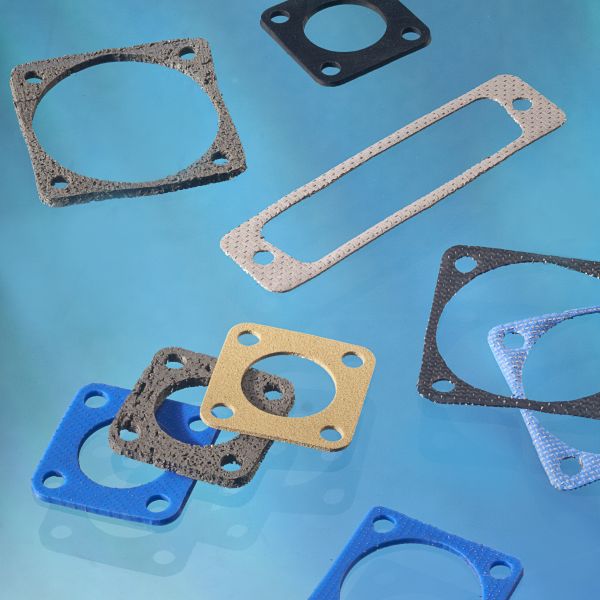
An electrically conductive elastomer is an elastomeric sealing material containing conductive particles. When compressed between conductive mating surfaces, the material helps maintain electrical continuity across the joint while the elastomer also provides a resilient environmental seal.
This makes conductive elastomers particularly useful where the same enclosure interface must provide EMI/RFI shielding and sealing against dust, moisture or other environmental exposure.
Wavetame manufactures Zemrex® ECE materials using silicone or fluorosilicone elastomers with a range of conductive filler systems selected to suit shielding, galvanic, environmental and commercial requirements.
Conductive elastomers are most valuable when the enclosure seam must maintain an electrical shielding path while also behaving like a conventional resilient seal.
Conductive filler creates an electrical path between mating enclosure surfaces when the gasket is compressed correctly.
The elastomer body can provide the resilient sealing behaviour needed at enclosure joints and covers.
Materials can be supplied as sheet, cut gaskets, profiles or moulded components depending on the application.
Different filler systems allow shielding and galvanic requirements to be balanced against the mating enclosure materials.
The elastomer binder should be selected alongside the conductive filler. Both influence how the finished gasket performs in its actual environment.
Silicone is the established general-purpose base for many conductive elastomer shielding applications. It provides resilient sealing behaviour and can be compounded with several conductive filler systems.
Fluorosilicone is used where the sealing environment places additional demands on the elastomer, particularly where resistance to fuels, oils or similar fluids is important.
Wavetame's conductive elastomer range includes a broad selection of filler technologies so the material can be matched to shielding, galvanic and commercial requirements.
| Conductive filler family | Why it may be considered | Selection factors to review |
|---|---|---|
| Nickel | Established conductive filler option for EMI/RFI shielding applications. | Required electrical performance, enclosure metal, corrosion environment and cost. |
| Nickel Graphite | Widely used balance of shielding performance and commercial practicality. | Galvanic pairing, environmental exposure, compression and required material grade. |
| Silver | High-conductivity filler family for demanding electrical performance requirements. | Cost, galvanic compatibility, enclosure finish and actual application requirement. |
| Silver Aluminium | Silver-coated aluminium conductive filler system available within the Zemrex® ECE family. | Enclosure material, corrosion exposure and required shielding performance. |
| Silver Copper | Silver-coated copper filler option where a highly conductive material system is required. | Galvanic behaviour, environmental exposure and commercial requirement. |
| Silver Glass | Silver-coated glass filler available for specialist conductive elastomer requirements. | Required conductivity, mechanical properties and application specification. |
| Carbon | Conductive elastomer option for applications where the required electrical performance can be achieved without a metallic filler. | Shielding requirement, resistance target and overall application suitability. |
The conductive gasket and enclosure form one electrical and electrochemical interface. Mating metals, surface finish, moisture exposure and galvanic compatibility should be considered alongside shielding performance.
Zemrex® ECE materials can be supplied in several physical forms so the manufacturing route can be matched to the gasket geometry, quantity and assembly requirements.
Conductive elastomer sheet for customer conversion, development work or subsequent die-cut / fabricated manufacture.
Flat custom gaskets manufactured to customer drawings using material and tooling appropriate to the geometry and volume.
Conductive elastomer profiles for continuous or joined sealing applications where a profile section is more appropriate than sheet.
Moulded conductive elastomer components including complex parts and forms such as O-rings where flat conversion is unsuitable.
Start with the enclosure and application, then narrow down the elastomer and conductive filler rather than choosing a grade from a single electrical property.
Review frequency range, required enclosure performance and any customer or industry specification that governs the interface.
Enclosure alloy, plating and surface finish influence electrical contact and galvanic compatibility.
Consider moisture, temperature, fluids, outdoor exposure and whether the gasket must provide environmental sealing as well as shielding.
Available closure force, flange stiffness, fastener spacing and gasket thickness all affect the final material choice.
Sheet gasket, profile, joined frame or moulded component may each suit a different enclosure geometry.
Prototype, low-volume and repeat-production requirements can use different tooling and manufacturing routes.
Conductive elastomer gaskets deliberately create electrical contact with the enclosure. Where dissimilar conductive materials are present and moisture reaches the joint, galvanic corrosion can become a design concern.
This is one reason Wavetame offers several conductive filler families. The gasket should be selected with the enclosure metal, surface treatment and expected environment in mind rather than by shielding performance alone.
EMI shielding depends on maintaining a reliable conductive path around the enclosure seam. Even an excellent conductive elastomer can perform poorly if the flange is distorted, the gasket is not compressed consistently or an insulating coating prevents electrical contact.
The gasket material, enclosure finish, flange stiffness and fastening system should therefore be designed as one shielding interface.
Wavetame produces its own electrically conductive elastomers and combines that material capability with gasket conversion, profile and moulding processes for custom shielding components.
This allows material selection and component manufacture to be considered together — useful where the requirement starts with a drawing, enclosure problem or legacy part rather than a standard catalogue item.
Historic drawings and purchasing records may refer to Zemrex® ECE material codes or customer-specific Warth International parts rather than a current Wavetame description.
Send us the old material reference, part number, drawing or physical sample. Wavetame can review the original requirement against retained Zemrex® product knowledge and current conductive elastomer options.
Compare conductive elastomers with wire, knitted mesh and other gasket technologies.
Read the GuideUnderstand how gasket materials, enclosure metals, surface finishes and moisture interact.
Read the GuideExplore Wavetame's complete shielding range including wire gaskets, knitted mesh, conductive fabrics and specialist components.
View Zemrex® ShieldingTell us the enclosure materials, environmental requirement, gasket geometry and shielding specification where known. Wavetame can help identify a suitable Zemrex® ECE material and manufacturing route.