EMI/RFI Shielded Windows & Honeycomb Ventilation Panels
Zemrex® shielded windows and vents allow electronic enclosures to provide
airflow or visual access while maintaining the conductive shielding path
across the aperture.
Wavetame supplies aluminium honeycomb ventilation panels and screened
transparent windows using fine conductive metal mesh, together with
temporary or prototype solutions using Zemrex® CCP clear conductive
polyester.
Why Do Windows & Vents Need Special EMI Treatment?
Every opening in a conductive enclosure can weaken the shielding boundary.
Ventilation openings are needed to move air, and windows are needed to
provide visual access, but both interrupt the otherwise continuous
conductive surface.
A shielded vent or screened window introduces a conductive structure across
the aperture so airflow or visibility can be retained while the opening is
electrically integrated into the enclosure.
The conductive insert alone is only part of the design. The surrounding
frame, bus-bar, gasket, surface finish and mounting method must all maintain
reliable electrical contact with the enclosure.
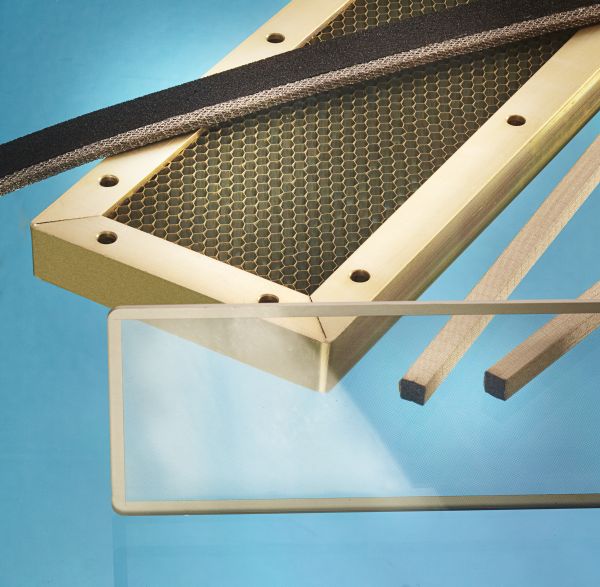
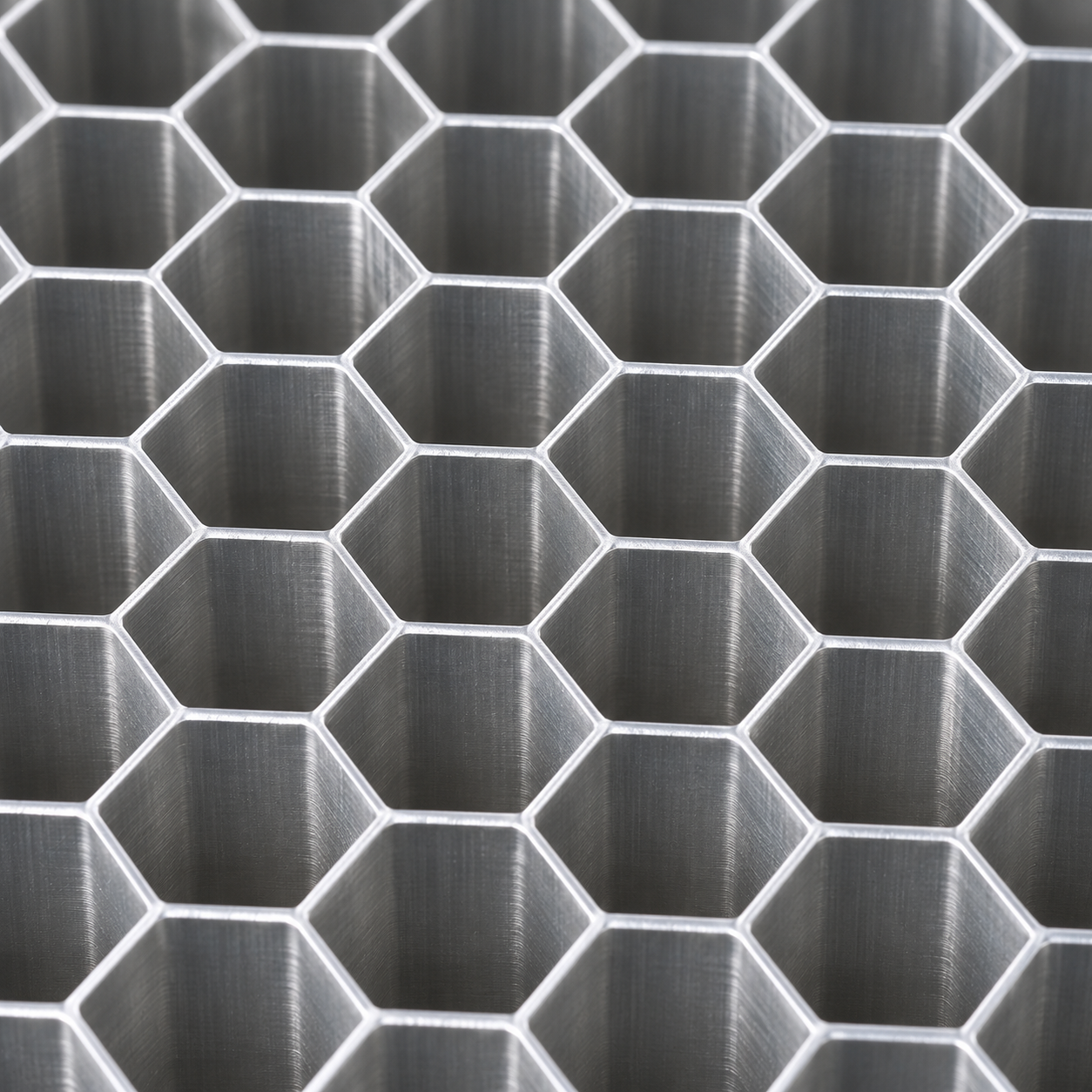
VentilationAluminium honeycomb panels provide airflow while maintaining an RF shielding structure.
VisibilityFine conductive mesh can be integrated into transparent polycarbonate or acrylic windows.
Electrical IntegrationFrames, bus-bars and gaskets complete the conductive path into the enclosure.
Typical aperture requirements include:
Cooling airflow through an electronics enclosure.
Visual access to displays or indicators.
Maintaining shielding around a large opening.
Environmental sealing around the aperture perimeter.
Corrosion protection of the frame and enclosure interface.
Prototype or temporary screened-window requirements.
Two Different Aperture Problems
Shielded Vents vs Shielded Windows
Both products preserve shielding across an enclosure opening, but they
solve very different functional requirements.
Airflow
Zemrex® Shielded Vents
Aluminium honeycomb sheet contained in an extruded aluminium frame
allows cooling airflow through the enclosure while providing a
conductive RF shielding structure.
Vents can be manufactured to suit a wide range of aperture sizes,
finished for corrosion protection or cosmetic requirements and
supplied with a suitable sealing gasket.
Visibility
Zemrex® Shielded Windows
Fine conductive metal mesh can be laminated or cast into transparent
polycarbonate or acrylic to provide a screened visual viewport.
A suitably designed bus-bar and gasket arrangement electrically
connects the conductive mesh into the enclosure around the window
perimeter.
Zemrex® Shielded Vents
Aluminium Honeycomb Ventilation Panels
Wavetame’s shielded vents use aluminium honeycomb sheet contained in an
extruded aluminium frame. The honeycomb allows air to pass through the
aperture while presenting a conductive cellular structure to electromagnetic
energy.
Vent assemblies can be manufactured to suit most aperture requirements and
finished for corrosion protection or appearance using paint, electroplating
or chemical surface conversion.
Honeycomb CoreAluminium honeycomb creates the conductive ventilating structure.
Aluminium FrameExtruded frame provides a robust mounting perimeter and electrical interface.
Surface FinishesPaint, electroplating or chemical surface conversion available to suit protection and appearance.
Sealing GasketA suitable gasket can be supplied where the vent perimeter also requires sealing.
Vent Selection
Airflow, Shielding & Pressure Drop Must Be Balanced
A shielded vent has to satisfy both the thermal and EMC requirements of the
enclosure. The opening must allow enough cooling air while the conductive
honeycomb and frame provide the required shielding interface.
Final vent geometry should therefore be reviewed alongside required aperture
size, airflow, fan arrangement, enclosure construction, operating
environment and any specified shielding-performance requirement.
Useful vent information includes:
Required aperture width and height.
Available mounting and flange area.
Cooling airflow requirement.
Fan size and position, where applicable.
Enclosure material and surface finish.
Environmental sealing requirement.
Required corrosion-protection finish.
EMI/RFI performance requirement or governing specification.
Screened window construction
Fine conductive metal mesh.
Transparent polycarbonate or acrylic.
Mesh laminated or cast into the transparent substrate.
Conductive bus-bar around the perimeter.
Suitable gasket arrangement into the enclosure.
Custom window geometry to suit the application.
Zemrex® Shielded Windows
Conductive Mesh Integrated into Transparent Windows
Where operators need to see through an otherwise shielded enclosure,
Wavetame can provide screened windows using fine conductive metal mesh
laminated or cast into transparent polycarbonate or acrylic.
The conductive mesh must then be electrically connected around the window
perimeter. A suitably designed bus-bar and gasket arrangement creates that
path between the embedded mesh and the surrounding enclosure.
Window Selection
Optical Performance & Shielding Are a Trade-Off
A screened window must remain usable as a visual aperture while introducing
enough conductive structure to satisfy the shielding requirement. Mesh type,
optical clarity and electrical termination therefore need to be considered
together.
01 / Optical
Define the Viewing Requirement
Consider display readability, viewing distance, lighting and how much
mesh visibility is acceptable.
02 / Electrical
Terminate the Mesh Properly
The embedded conductive mesh must connect reliably through the bus-bar
and gasket into the enclosure shielding path.
03 / Mechanical
Choose the Transparent Substrate
Polycarbonate or acrylic can be selected around the mechanical,
environmental and optical needs of the application.
Zemrex® CCP
Clear Conductive Polyester for Prototype & Temporary Windows
Wavetame also offers Zemrex® CCP clear conductive polyester as a practical
solution for temporary or prototype shielded-window applications.
The material can be cut to size with scissors and installed using conductive
foil tape, making it useful where a quick screened aperture is needed before
committing to a fully engineered laminated or cast window.
Handle CCP carefullyWavetame specifically notes that the material requires careful handling.
It is best treated as a temporary or prototype solution rather than
assumed to be equivalent to a permanent engineered shielded window.
Prototype FriendlyUseful for development, evaluation and temporary screened apertures.
Cut to SizeCan be trimmed with scissors for rapid installation.
Conductive Foil TapeCan be fitted into place using conductive foil tape.
Mesh-laminated / mesh-cast polycarbonate or acrylic window
Optical clarity, mesh construction, bus-bar, gasket and
mechanical substrate.
Temporary or prototype visual screening
Zemrex® CCP clear conductive polyester
Careful handling, conductive tape termination and suitability
for temporary use.
Aperture also requires environmental sealing
Vent or window with suitable perimeter gasket
Gasket material, compression, enclosure finish and complete
sealing path.
Electrical Integration
The Aperture Insert Must Bond Back into the Enclosure
A conductive honeycomb or metal mesh cannot provide useful enclosure
shielding if it is electrically isolated from the surrounding housing.
The mounting perimeter therefore needs a deliberate conductive path.
For windows, this is handled through the bus-bar and gasket arrangement.
For vents, the aluminium frame and its interface with the enclosure perform
the equivalent role. Surface coatings, corrosion protection and mounting
hardware should all preserve that intended electrical contact.
Surface Finish Must Protect Without Breaking the Shielding Path
Shielded vents are aluminium assemblies and may be exposed to challenging
environmental conditions. Wavetame therefore offers paint, electroplating
and chemical surface conversion finishes for corrosion protection and
cosmetic requirements.
As with any EMI interface, the protective finish must be considered alongside
electrical contact. A finish that electrically isolates the vent frame from
the enclosure can compromise the intended shielding path.
PaintAvailable where cosmetic or environmental protection requires a painted finish.
ElectroplatingMetallic surface treatment option for appropriate shielding and corrosion requirements.
Chemical ConversionConversion finish available for aluminium vent assemblies.
Custom to the Aperture
Windows & Vents Are Application-Specific Components
Aperture dimensions, optical requirements, cooling demand, enclosure finish
and shielding specification vary considerably between applications, so
Wavetame manufactures and supplies these products against the actual
requirement rather than treating them as one universal catalogue size.
01 / Aperture
Define the Geometry
Provide the opening dimensions, available flange and any mounting-hole
arrangement around the aperture.
02 / Function
Define Airflow or Visibility
Tell us whether the aperture is primarily for cooling airflow, viewing
access or both as part of a larger enclosure design.
03 / EMC
Define the Shielding Requirement
Provide the required performance, frequency range or governing customer /
programme specification where known.
Legacy Zemrex® References
Shielded Windows, Vents & CCP
Historic Warth International documentation may refer generally to Zemrex®
shielded windows and vents or specifically to CCP conductive coated polyester.
Zemrex® Shielded Windows & Vents
Historic Zemrex® product family covering screened visual windows and
shielded ventilation apertures.
Zemrex® CCP
Conductive coated polyester. Current Wavetame literature also identifies
clear CCP conductive polyester for temporary or prototype shielded-window
applications.
If you have an old Warth window, vent or CCP part number, send the complete
reference, drawing or surviving component details to Wavetame. We can review
the original requirement against current construction options.
Need Airflow or Visibility Without Losing Shielding?
Send Us the Aperture, Enclosure & EMC Requirement
Wavetame can review the aperture dimensions, airflow or optical requirement,
enclosure materials, environmental sealing and shielding specification to
identify a suitable Zemrex® window or vent construction.